

Beside sitting down and listening to our beloved hi-fi system, there is four main ways people listen to music: wireless earbuds, closed-back headphones, open-backs, and in-ear monitors. But each one offers a different experience and cover a different need.
Here’s the truth: how you listen completely changes what you hear. Choosing between closed-back headphones, open-back headphones, wireless earbuds, and wired IEMs isn't about which one is absolute "best"—it's about matching the format to your real life. Let's start with the undisputed king of convenience: wireless earbuds.
WIRELESS EARBUDS
All right, so the standard consumer options like the Apple AirPods Pro 2 or 3 pack tiny dynamic drivers, miniature amplifiers, integrated DACs, and noise-canceling mic arrays into a shell the size of an olive. They give you zero wires, active noise cancellation for public transit, and seamless phone integration.
But here’s the main problem: Bluetooth audio compression, combined with a single tiny driver powered by a microscopic battery, often squashes spatial depth and resolution. As a music lover and audiophile, this is a massive bummer.
So, if you want to upgrade your earbud game without carrying bulky gear, look outside the big tech logos like Apple. Take the SoundPeats H3, for instance. While mainstream buds rely on a single driver, the H3 uses a hybrid triple-driver setup—a 12mm dynamic driver for deep bass dynamics, paired with dual balanced armatures for clean midrange and treble resolution.
When you pair that physical driver architecture with Bluetooth 5.4 and high-bitrate codecs like LDAC and aptX Lossless, you get significantly more texture, detail, and soundstage depth. Are they perfect? No—they’re bulkier and lack Apple's ecosystem magic. But it proves a point: stepping away from household tech names often yields far more raw acoustic performance for your money.
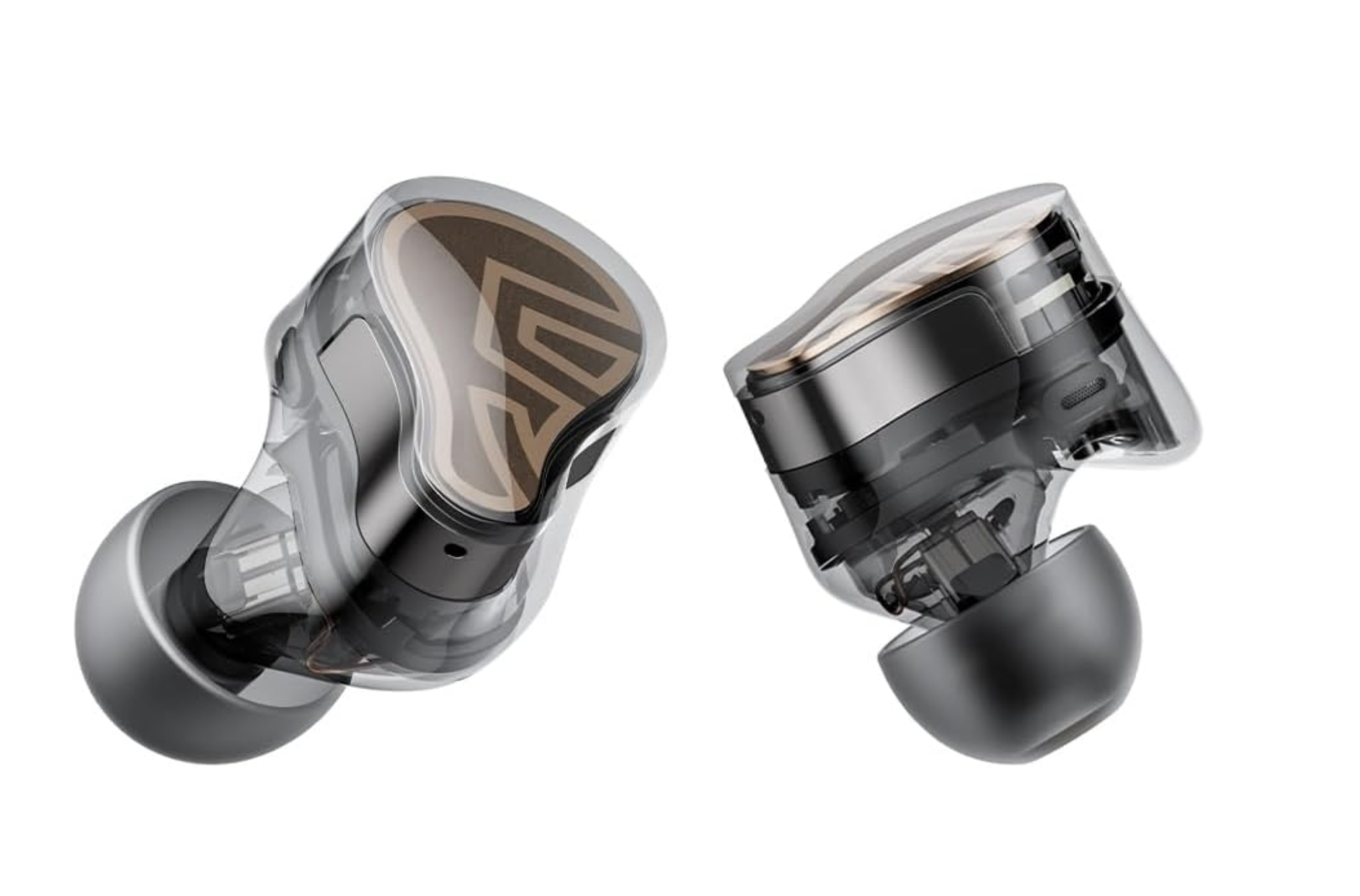
SoundPeats H3 Wireless Earbuds
They belong in your gym bag or on a commute. But relying on basic wireless buds as your primary home listening setup is like watching a cinema blockbuster on a seatback airplane screen. You get the story, but you miss the magic.
So, what happens when you step up to full-sized over-ear headphones?
CLOSED-BACK HEADPHONES
If you like having the freedom of wireless, active noise cancellation but want a bigger sound your best bet is to go with a pair of Wireless Closed-Back Headphones. Because they house much larger physical dynamic drivers inside full over-ear cups, wireless closed-backs immediately give you a massive upgrade in bass impact, dynamic range, and passive isolation compared to tiny earbuds. Models like the Momentum 5 combine that natural acoustic volume with top-tier active noise cancellation, smart app EQ controls, and insane battery life—we’re talking 57 hours on a single charge, or the very popular Bose Quiet Comfort that offers excellent performance for it’s price.
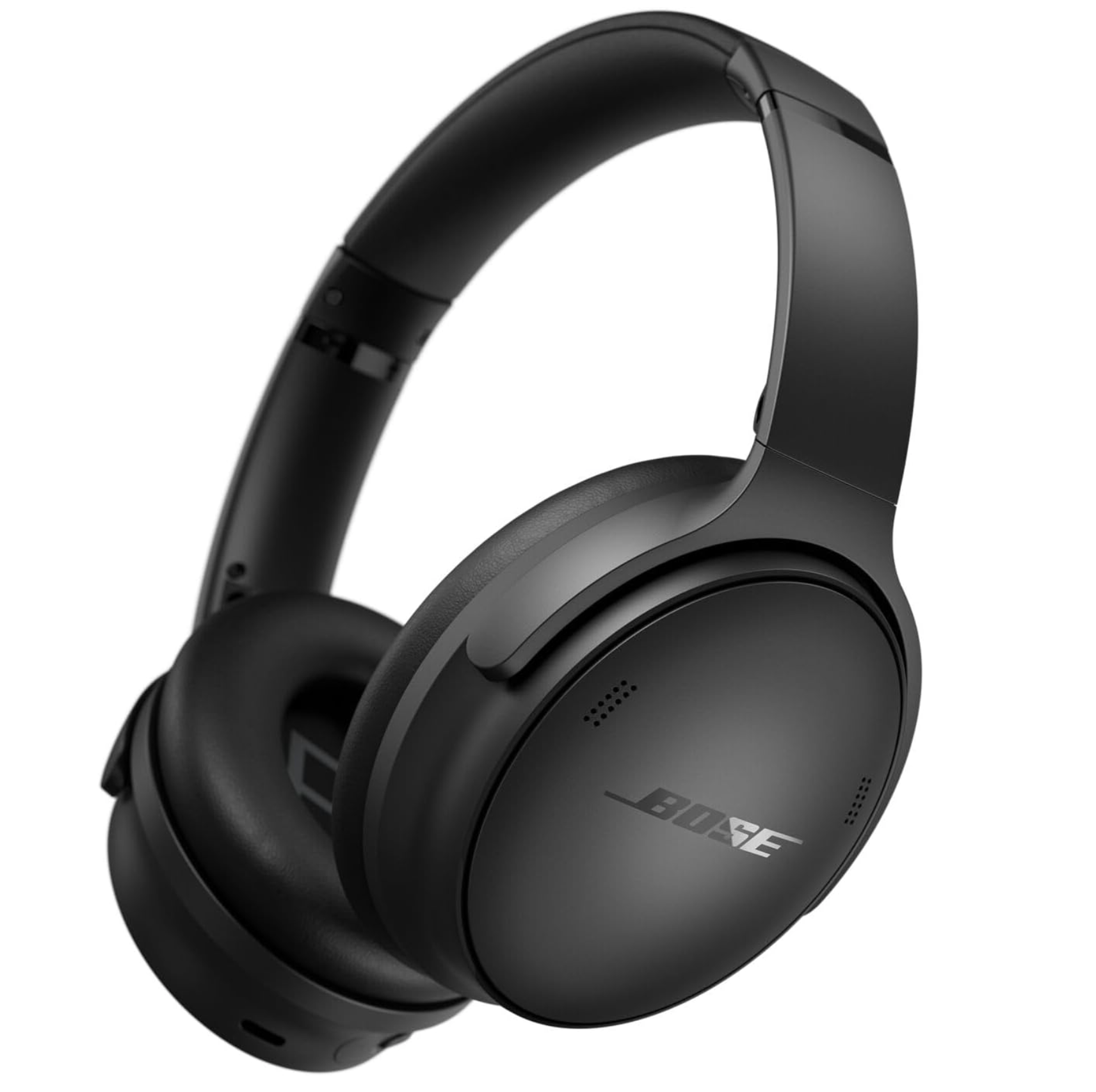
Bose Quiet Comfort
For daily life, this format is the ultimate bridge. You can wear them on a flight to drown out jet engines, take them to a noisy coffee shop, or use them while walking around your apartment without getting tangled in cords. The trade-off? You are still dealing with onboard Bluetooth compression, digital sound processing (DSP), and the added weight of internal batteries and amplifiers built right into the earcups.
WIRED CLOSED-BACK HEADPHONES
Which leads us to Wired Closed-Back Headphones. Technically speaking, the architecture here is purely acoustic. You have a solid, fully sealed shell behind the speaker driver—no batteries, no Bluetooth chips, and no active noise-canceling microphones to alter the natural frequency response. That sealed chamber traps the driver's back-wave energy, delivering tight, punchy low-end dynamic slam and solid passive noise isolation. You get punchy, deeply satisfying bass impact and real isolation. Your music stays inside, and the room stays out. In my 20 years editing video, closed-backs have been my workhorses for late-night editing sessions in noisy spaces. Closed-back are also my go-to on set when I need to monitor sound. My Audio-Technica ATH-M50X has been a real workhorse for many years.
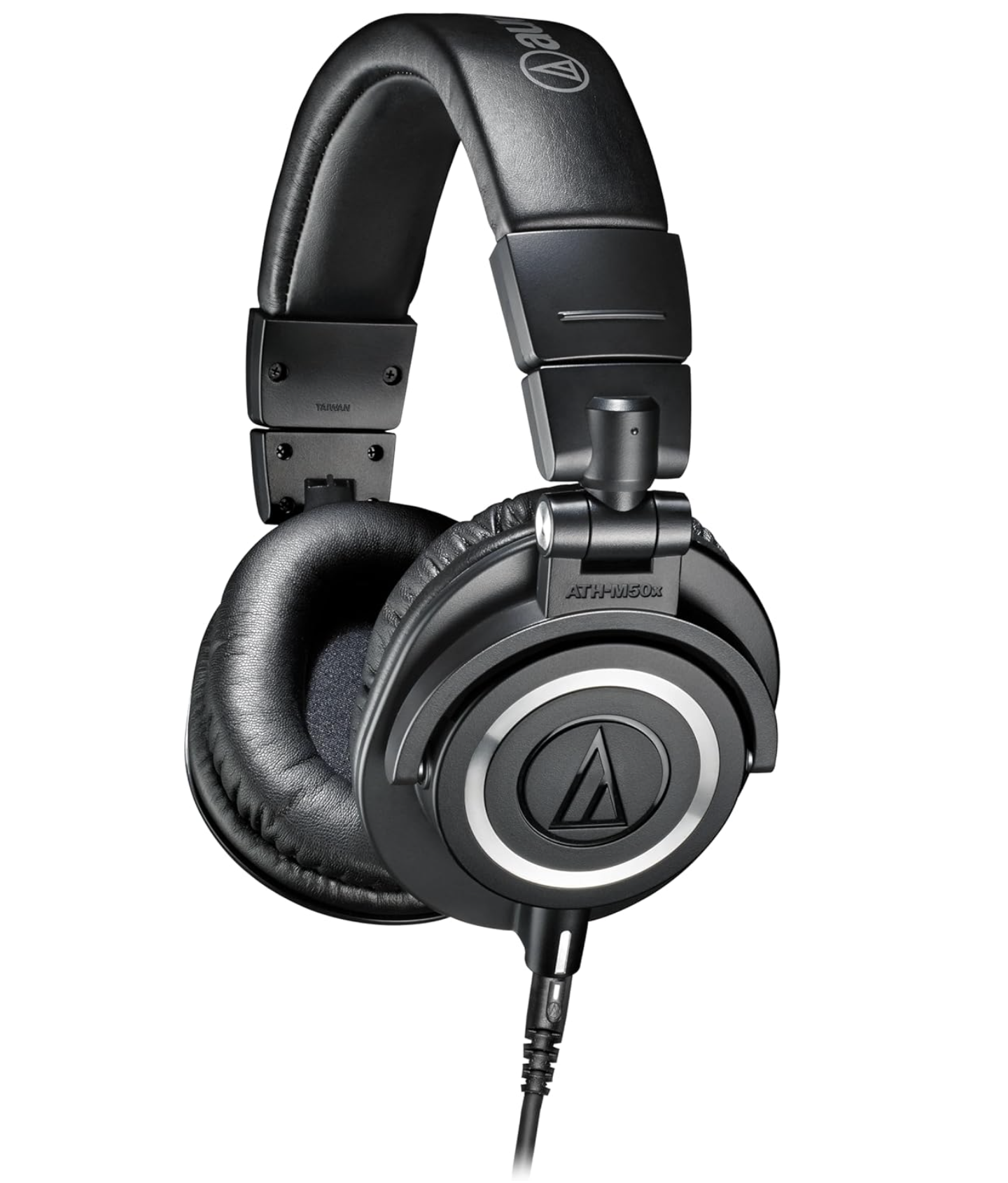
Audio-Technica ATH-M50X Closed-Back Headphones (wired)
The cons for both wireless and wired closed-backs? Trapping that acoustic energy narrows the soundstage, making it feel "inside your head". Sealed ear-cups also trap heat and build up pressure during long sessions. Personally, I get kinda sweaty when wearing closed-back for long sessions. So yeah, closed-backs are built for focus—working in an office, editing late at night, or listening without bothering someone next to you on the couch.
Closed-backs—whether wireless for commuting or wired for a desk—fit into a life where you need focused immersion: working in a busy office, editing video late at night in an apartment, or listening to music without disturbing your partner next to you on the couch.
OPEN-BACK HEADPHONES
Now we cross into open-back territory. Here, the back of the earcup is completely open to the air, usually covered only by a breathable mesh. This lets the driver's back-wave vent freely into the room, eliminating internal acoustic reflections and pressure build-up.
The result is a massive, natural soundstage where instruments feel like they're floating around your room. The sense of air, micro-detail, and vocal realism is breathtaking. Plus, because air flows freely, your ears don't get hot. For the price, the MEZE 105 Silva is a strong choice.
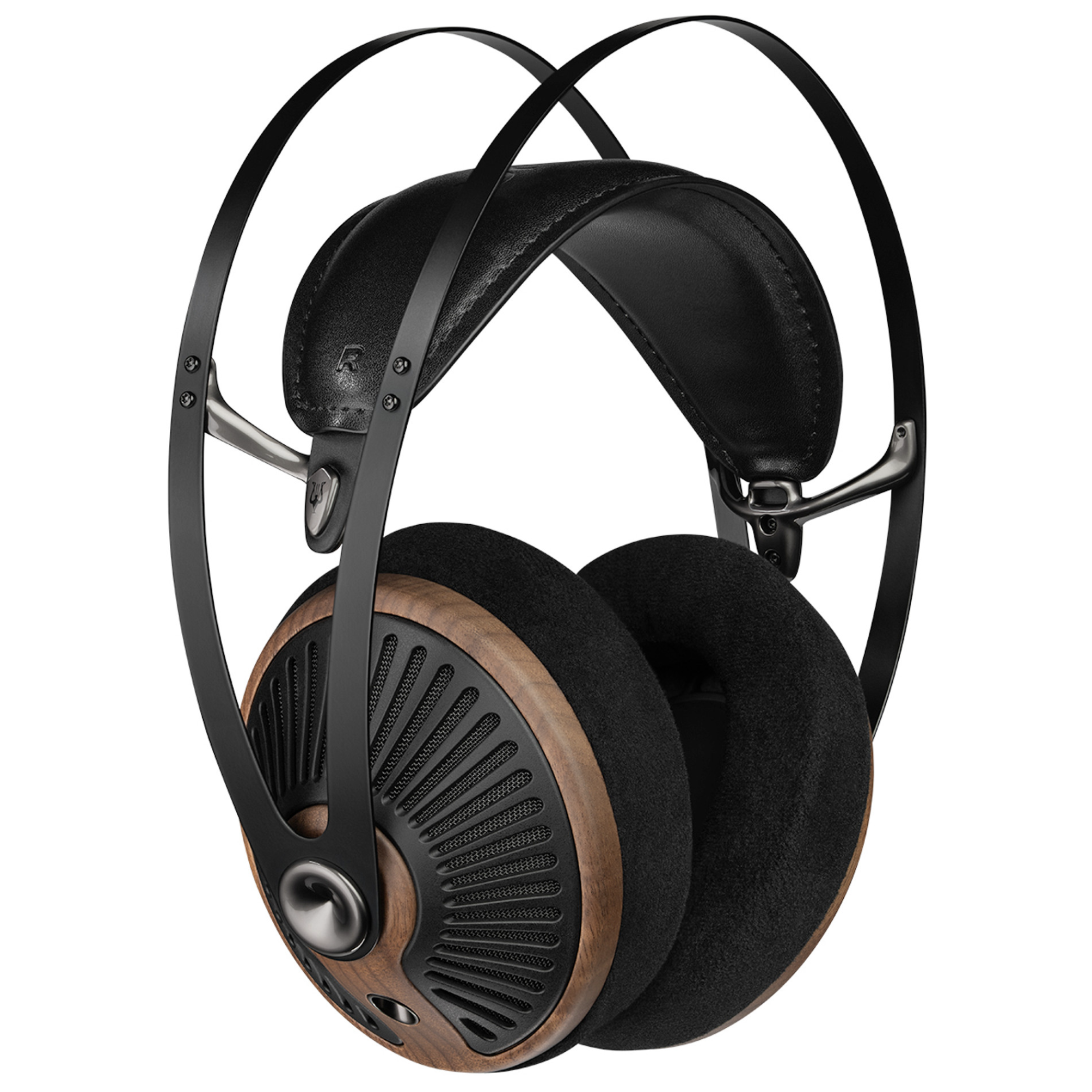
Meze 105 Silva Open-Back Headphones
The downside? Zero isolation. You hear your room, and your room hears your music. Use these on a bus or next to a sleeping partner, and everyone will hear your secretly listening to Taylor Swift. Open-backs belong in quiet, dedicated home environments—a quiet desk or an armchair in the evening.
IN-EAR MONITORS (IEMs) & THE MEZE ALBA
That brings us to In-Ear Monitors, or IEMs. Unlike standard earbuds that sit loosely on your outer ear, IEMs insert into the ear canal with silicone or memory foam tips to form a tight acoustic seal. Because the driver sits close to your eardrum with minimal air volume to move, transient response is fast, delivering incredible detail retrieval and low distortion without active digital processing noise cancellation.
IEMs were a personal blind spot for me for a long time, as I’ve always leaned on full-sized over-ears. Full disclosure here: Meze did send me the ALBA for testing, but this is NOT a sponsored content and I’m not getting paid for this and they don’t get to review this video before it goes live. This is my personal experience on this product, thats it, so calm down in the comment section.
But testing the Meze ALBA over the past month reframed what portable listening can be. What makes the ALBA special is that Meze includes a custom-designed USB-C adapter with a built-in DAC and amplifier right in the box. Most people plug wired gear straight into cheap phone adapters that use low-quality internal conversion. By bypassing your phone’s internal audio path and using this dedicated external DAC/Amp, the ALBA produces a very detailed sound with non-fatiguing treble. The soundstage and imaging hit me immediately—your music isn't trapped between your ears anymore; it's floating around you. You can actually feel the acoustic space and pinpoint exactly where the musicians are standing. It’s a world of difference from standard earbuds. And yes, they are very, very comfortable. I had no problem listening to a whole album without getting annoyed by the cable around my ears.
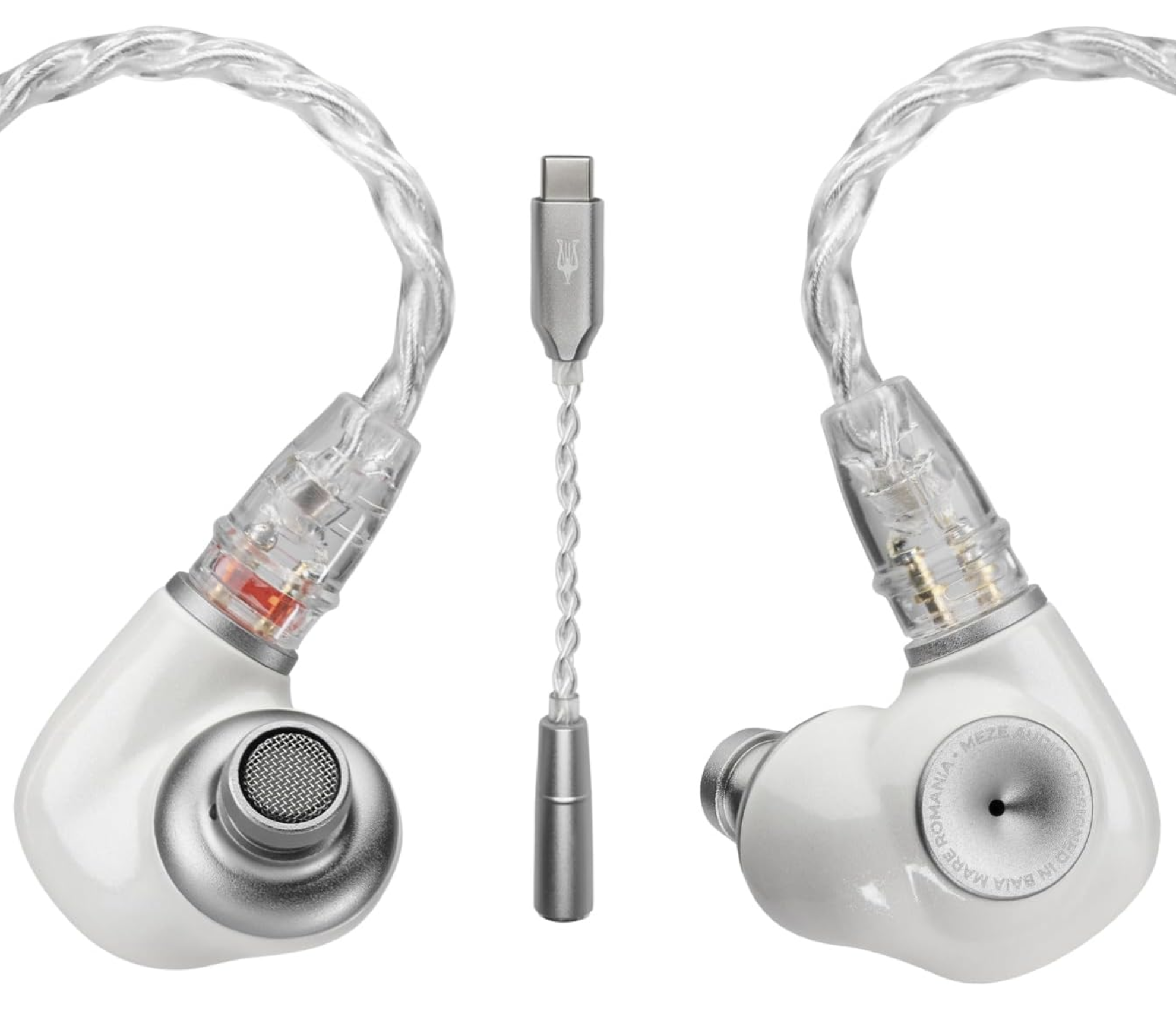
That said, if you’re a total basshead, you might be left wanting a bit more slam. Where the ALBA really shines is acoustic guitars, brass instruments, vocals, jazz, indie and alternative rock—tracks like Dire Straits’ "Telegraph Road" or "Private Investigations" sound breathtaking here. But if you throw dense, bass-heavy pop like Billie Eilish’s "Bad Guy" or Bury A Friend” at it, you’ll definitely notice where it compromises.
There are a couple of trade-offs with IEMs to keep in mind. First, you’re tethered to a cable. Second, getting a proper ear-tip seal isn't optional—it’s mandatory for low-end response. When you open a new pair, do yourself a favor and test every single size and style of ear-tip that comes in the box. If your seal is even slightly loose, your music is going to sound paper-thin and completely hollow, no matter how good the drivers are.
But for travel, laptop work, or portable high-resolution listening, a dedicated IEM setup like this is a revelation. I was honestly really pleased by how the sound is just surrounding you, it is way more immersive than any earbuds I ever tried. So I think for the price, the ALBA is a very good entry-level point for anyone who wants to tip their toes into the world of IEM.
CONCLUSION
So, how do you actually choose between these five without wasting money?
Here is the mindset shift: stop searching for a single pair of headphones to do everything. Treat audio gear like footwear. You don't wear running shoes to a formal dinner, and you don't wear heavy winter boots for a jog.
If you commute or workout, keep your wireless earbuds. If you want higher sound quality on the go, step up to a hybrid like the SoundPeats H3. If you need office focus or late-night apartment tracking, grab closed-backs. If you want deep, immersive home listening, open-backs are unmatched. And if you want high-resolution sound on the go without carrying bulky over-ears, look at an IEM like the Meze ALBA.
Audit your listening habits this week. Pick the right tool for where you listen most, and give yourself 20 minutes to sit and enjoy an album without multitasking.
